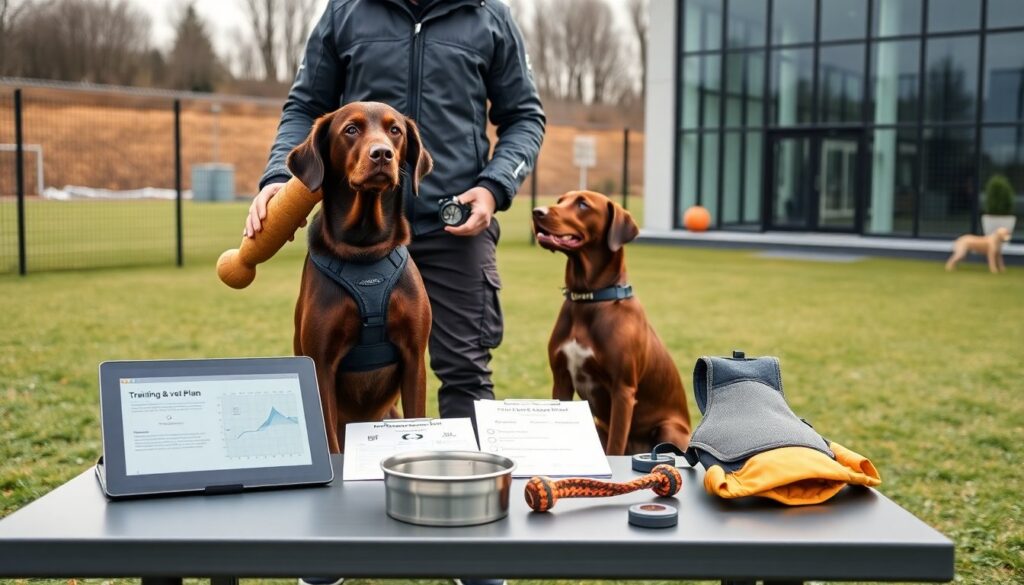

σπορτντογ refers to dogs bred for field sport and work. This guide gives clear steps to train, feed, and care for sport dogs. It shows simple programs that build strength, speed, and focus. It lists vet checks, injury signs, and recovery methods. It helps owners plan routines that keep performance high and dogs healthy.
Table of Contents
ToggleKey Takeaways
- Sporting dogs (σπορτντογ) require specialized training programs that develop strength, speed, and focus to excel in field sports and competitions.
- Understanding each sporting dog’s breed traits and temperament helps tailor training and socialization for better performance and wellbeing.
- A balanced conditioning routine including obedience, scent work, strength, and cardio is essential for maintaining a σπορτντογ’s peak fitness and preventing injuries.
- Proper nutrition with high-quality protein and fats, plus attentive hydration, supports the energy demands and recovery of sport dogs.
- Regular veterinary check-ups and early injury detection are crucial to keep a σπορτντογ healthy and competitive over time.
- Incorporating warm-up, cool-down, and recovery strategies like massage and hydrotherapy helps extend the sporting dog’s active career and performance quality.
Understanding Sporting Dog Breeds, Temperament, And Purpose
Sporting breeds include retrievers, spaniels, setters, and pointers. Each dog shows distinct instincts for hunting, flushing, or retrieving. Owners should match a dog’s purpose to the handler’s goals. The term σπορτντογ covers dogs raised for field trials, hunting tests, and competitive work. Breeders select lines for drive, scenting, and soft-mouth. Trainers note that temperament shapes training pace. A dog with high drive needs focused outlets. A dog with calmer energy suits tracking and obedience. Handlers measure temperament with short tests for focus, prey interest, and social tolerance. Those tests reveal a dog’s comfort with loud noises, water, and strangers. Handlers use results to set realistic goals. Early socialization builds confidence. Early exposure to other dogs, people, and environments reduces fear. Owners keep sessions short and positive. They use rewards that match the dog’s motivation: toys for play-driven dogs, food for food-driven dogs, and praise for bond-driven dogs. Health screening matters before competition. Handlers check hips, elbows, and eyes with certified vets. They screen for inherited conditions common to each breed. Owners document lineage and health clearances. They plan training around the dog’s growth stages. Puppies avoid heavy repetitive impact until bones mature. Young adults receive graduated workload. Older dogs move to maintenance work and gentle conditioning. Clear planning helps a σπορτντογ reach purpose without injury.
Training And Conditioning Programs Tailored To Sport Dogs
A solid program mixes obedience, scent work, strength, and cardio. Trainers set weekly goals for skill, distance, and recovery. They design short drills for focus and long sessions for endurance. For skill, handlers teach steady, handling, and blind retrieves. They break each skill into small steps. For scent work, trainers repeat scent discrimination with increasing distractions. For strength, handlers add hill sprints, weighted backpacks, and controlled tug sessions. For cardio, trainers use interval runs, swimming, and treadmill work. They vary intensity to avoid plateau. A σπορτντογ benefits from cross-training. Cross-training reduces injury risk and builds balanced muscles. Trainers schedule two high-intensity days, one medium day, and two recovery days per week. They adjust load by age, health, and season. Handlers track progress with simple logs. Logs record distance, time, perceived effort, and any odd signs. They check gait, appetite, and sleep after hard sessions. Trainers include warm-up and cool-down every day. Warm-up includes loose leash walking, gentle range-of-motion exercises, and short play. Cool-down includes light walking and stretching by hand. Recovery includes massage, hydrotherapy, and rest. Trainers use targeted rehabilitation when injuries occur. They consult vets and canine physiotherapists. They follow rehab plans with gradual load increases. For competition prep, handlers taper volume while keeping intensity. This approach preserves sharpness and reduces fatigue. A clear program helps a σπορτντογ peak on event day.
Nutrition, Veterinary Care, And Injury Prevention For Sport Dogs
Owners feed diets that match energy needs and training load. They choose high-quality protein, balanced fats, and digestible carbs. They adjust calories when work increases or rest returns. Nutritionists recommend 20–30% protein for many sport dogs and higher fat for endurance breeds. Handlers supplement with joint support, omega-3s, and antioxidants when a vet approves. Hydration matters before, during, and after exercise. Owners offer water in small frequent amounts during work. Vets schedule regular exams every six to twelve months. Exams include weight checks, dental reviews, and orthopedic evaluation. Handlers run baseline bloodwork and repeat it yearly. They vaccinate and follow parasite control based on local risk. Owners learn common injury signs: limping, stiffness, swelling, loss of appetite, and behavior change. They stop activity at first sign and seek vet advice. Prevention includes safe surfaces, gradual load increases, and proper warm-ups. Handlers trim nails, maintain paw pads, and fit harnesses and collars that do not rub. They monitor coat condition and skin for hotspots. For acute injuries, vets use imaging, rest, and targeted therapy. For chronic issues, therapists use controlled exercise, anti-inflammatories, and orthotics if needed. Owners plan off-seasons to allow full recovery. They use low-impact activities like swimming to maintain fitness. Regular care and smart training lower injury risk and help a σπορτντογ perform longer and feel better.