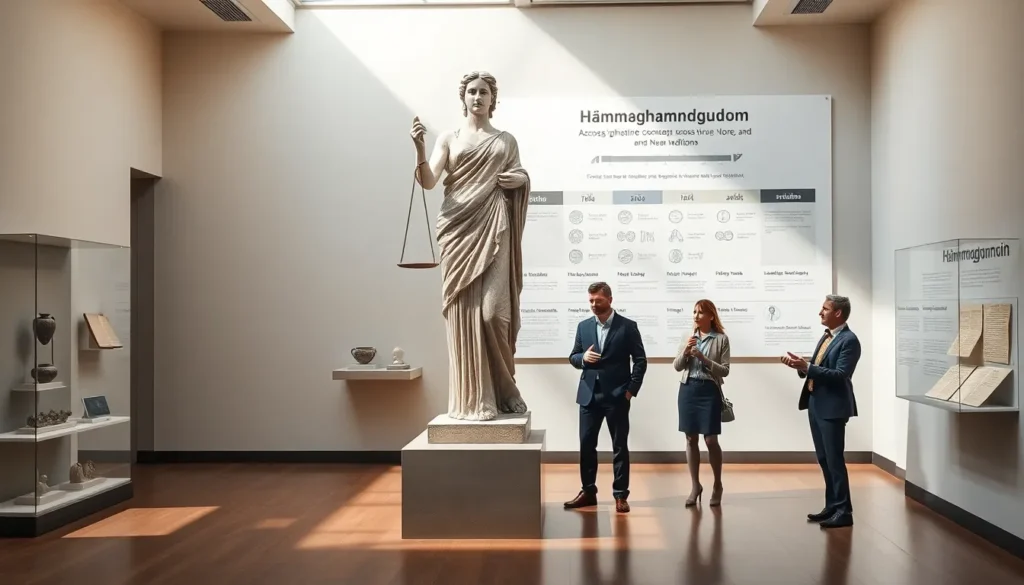

Hämndgudom refers to a deity who enacts vengeance. The term comes from a Scandinavian language. The article explains the word, history, and cultural role. It shows how societies used the idea to teach law and moral limits. It highlights how artists and writers reused the idea in modern media.
Table of Contents
ToggleKey Takeaways
- Hämndgudom is a Swedish-derived term meaning a vengeful deity and combines ‘hämnd’ (revenge) with ‘gudom’ (deity), so translators should check context for legal versus personal shades.
- Across Norse, Greek, Egyptian, and Mesopotamian traditions, vengeful deities enforced oaths and deterred crime, showing a shared cultural tool for maintaining order.
- Communities used rituals, offerings, and public storytelling about a hämndgudom to prevent retaliation, restore balance, and signal that harms carry consequences beyond human hands.
- Myths often frame these gods as agents of public justice rather than private vendetta, helping societies transition from feuds to institutional law.
- Modern media reuse the vengeful-deity motif to explore justice, trauma, and the ethics of punishment, while scholars emphasize that formal courts and ritualized justice reduce cycles of revenge.
What Hämndgudom Means And Its Linguistic Roots
Swedish Etymology And Literal Translation
Hämndgudom comes from two Swedish stems. “Hämnd” means revenge. “Gudom” means deity. The speaker forms the compound to mean a deity of revenge. Scholars treat the term as a modern coinage that reflects older ideas.
Connotations And Nuance In Translation
Translators render hämndgudom as “vengeful deity” or “goddess of vengeance.” The term carries both legal and personal shades. In some texts, hämndgudom implies divine justice. In other texts, hämndgudom implies capricious wrath. Readers must check context when they translate the word. The same figure can act as judge or as an avenger.
Historical And Mythological Origins
Vengeful Deities In Norse Tradition
Norse stories include gods who punish wrongdoers. The Aesir and Vanir contain figures who enforce oaths and mete out harm. Poets mention cosmic laws and blood price. People invoked wrathful gods to secure fairness and deter crime. The term hämndgudom fits these roles in translation and commentary.
Parallels In Other Ancient Religions
Greek myth features Erinyes, who pursue oath-breakers. Mesopotamian texts name goddesses who bring disease and storm as punishment. Egyptian deities sometimes avenged temple offenses. The hämndgudom idea appears across these cultures. Each society placed limits on revenge and used divine force to model consequences.
Characteristics And Roles In Myth
Justice Versus Personal Revenge
Myths distinguish public justice from private vendetta. A hämndgudom often represents public enforcement. The deity punishes breaches of social law. The deity also acts when humans fail to enforce penalties. Storytellers used the deity to claim that order will return even when people ignore the law.
Common Powers, Signs, And Methods Of Retribution
A hämndgudom often controls sickness, storms, or fate. The deity sends omens before action. The deity strips honor, causes exile, or brings physical harm. In some tales the deity speaks through dreams. In other tales the deity moves armies or raises monsters. Artists show the deity with stern faces, weapons, or scales to signal judgment.
Symbolism And Cultural Functions
Maintaining Social Order And Moral Lessons
Communities used the hämndgudom figure to enforce norms. Parents told stories of divine retribution to discourage theft and murder. Judges and elders cited divine wrath when courts proved weak. The image of a vengeful deity signaled that harms have costs beyond human control. The concept linked moral duty to communal survival.
Rituals, Offerings, And Appeasement Practices
People made offerings to prevent divine anger. Rituals ranged from food gifts to public festivals. Sacrifices aimed to restore balance after a crime. They also aimed to comfort the deity and stop further harm. Priests read omens and advised the proper rites. Communities adjusted the rites after they judged the deity’s response.
Famous Examples In Literature, Art, And Folklore
Classical Figures Associated With Vengeance
The Erinyes hold a clear place in Greek drama. Shekhinah and other avenging figures appear in Near Eastern texts. Norse sagas contain characters like Odin who enforce retribution in certain stories. Writers used these figures to question the limits of punishment and mercy. The label hämndgudom fits many of these figures in comparative study.
Nordic, Mediterranean, And Near Eastern Case Studies
In Nordic sagas, the community calls on fate and gods when blood feuds escalate. In Mediterranean literature, playwrights show chorus members fearing the Erinyes. In Near Eastern inscriptions, rulers invoke divine wrath against oath-breakers. These case studies show similar social needs. Each culture used the image of a vengeful deity to keep taboos and to warn violators.
Modern Interpretations And Influence
Representations In Film, TV, And Contemporary Fiction
Modern writers reuse the hämndgudom motif to explore justice and trauma. Filmmakers create characters who act like gods of vengeance. TV series use the idea to frame revenge arcs. Novelists use the theme to test legal and moral limits. Audiences respond to those scenes because they evoke strong emotion and moral questions.
Ethical, Legal, And Psychological Perspectives Today
Scholars debate the value of divine vengeance as a model. Lawyers point out that modern law rejects private revenge. Ethicists argue that revenge harms both victim and community. Psychologists study how the desire for revenge affects healing. Researchers find that ritualized justice and formal courts reduce cycles of retaliation. The hämndgudom image helps scholars explain why societies move from feuds to institutions.