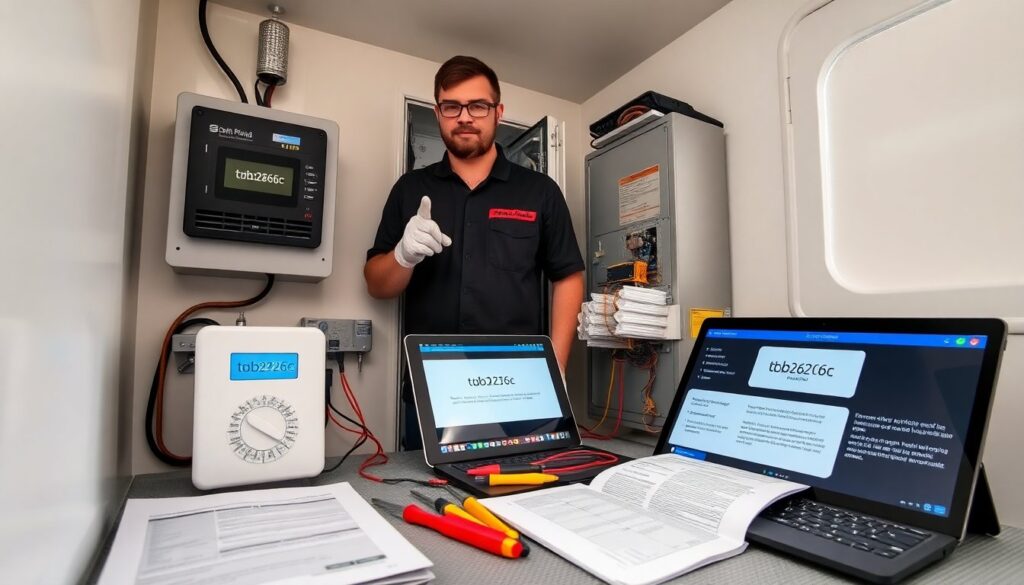

tdb2626c appears as an error code on devices and control panels. The code signals a specific fault with sensors, firmware, or wiring. This guide gives clear steps to identify the cause and apply fixes. It shows when technicians should handle the repair and how users can prevent repeats.
Table of Contents
ToggleKey Takeaways
- The error code tdb2626c signals faults related to sensors, firmware, or wiring in devices like smart thermostats and HVAC controllers.
- Common causes include sensor failure, corrupted firmware, and wiring issues, each displaying distinct symptoms such as erratic readings or device reboots.
- Users should first perform basic troubleshooting like power cycling, checking connections, and noting when the error occurs to help narrow the cause.
- If initial DIY checks fail, calling a professional technician is crucial to safely test components, reflash firmware, or repair hardware under warranty conditions.
- Keeping a log of tdb2626c incidents aids in quicker diagnosis, supports warranty claims, and helps prevent recurring errors through scheduled maintenance and inspections.
What Is TDB2626C And Where You’ll See It
tdb2626c identifies a device error that stems from a sensor mismatch, corrupted firmware, or a wiring fault. Manufacturers place this code in user manuals and on-screen diagnostics. Technicians log tdb2626c during field service calls. Homeowners also spot tdb2626c on smart thermostats, HVAC controllers, and some industrial panels. The code does not name the failing part. It points to a failure class that requires testing. When tdb2626c appears, the device usually enters a safe mode. The safe mode limits functions to prevent damage. Users should note the exact time and conditions when tdb2626c showed up. That note helps a technician trace events. The code may come with a short description like “sensor error” or “firmware fault.” Those descriptions narrow the first checks. Devices from different brands use tdb2626c the same way. They expect a sequence of diagnostic steps. The steps start with power and connection checks and then move to sensor and software checks. Keeping a log of tdb2626c incidents helps with warranty claims and repair decisions.
Common Causes And Typical Symptoms
tdb2626c usually stems from three root causes: sensor failure, firmware corruption, or wiring issues. A sensor fails when it loses calibration or stops sending signals. Firmware corrupts after interrupted updates or memory errors. Wiring fails from loose connectors, corrosion, or rodent damage. Each cause gives distinct symptoms when tdb2626c appears.
Symptoms that point to sensor failure include erratic readings, sudden value spikes, and inability to read parameters. The device shows normal power but gives inconsistent output. Symptoms that point to firmware issues include repeated reboots, frozen screens, and failure to accept settings. The device may show tdb2626c after a failed update. Symptoms that point to wiring faults include intermittent operation, errors that clear with a tap, and visible damage at connectors.
Users should watch for timing patterns. If tdb2626c occurs after storms or power surges, wiring or firmware may be at fault. If tdb2626c appears after maintenance or updates, firmware likely caused the code. If tdb2626c happens with physical interference like knocks or exposure, then sensors or wiring likely failed. Accurate symptom notes speed the repair. They let the technician focus on the most likely cause and reduce diagnostic time.
Troubleshooting Steps And When To Call A Pro
tdb2626c requires a stepwise approach. The steps move from safe, simple checks to advanced actions. Users should stop and call a professional if they meet safety risks, lack tools, or if warranty applies.
Quick DIY Checks To Try First
- Power cycle the unit. Turn power off, wait thirty seconds, and turn it on. Many transient faults clear after a reset. 2. Check connections. Inspect visible wires and connectors for looseness or corrosion. Tighten loose terminals and reseat ribbon cables. 3. Look for physical damage. Check sensors, connectors, and circuit boards for cracks, burn marks, or rodent chew. 4. Note error timing. Record whether tdb2626c appears at startup, after updates, or during load. That note narrows the suspect area. 5. Run self-test if available. Many devices include a built-in diagnostic that exercises sensors and reports failures. 6. Reinstall firmware only if the device documents a safe update process. Follow the exact steps from the maker and use the recommended firmware file.
If these checks do not clear tdb2626c, users should stop and call a technician. A pro will run voltage checks, sensor resistance tests, and diagnostic logs. A pro can also load firmware from a secure source and use manufacturer tools that the user cannot access. They will replace failed sensors, repair wiring harnesses, or reflash controllers. Calling a pro makes sense when the device powers critical systems, when the device remains under warranty, or when the user lacks a multimeter and basic hand tools.
Technicians will log tdb2626c, test each suspect component, and use split tests to isolate the fault. They will verify repairs under normal load and will advise on preventive steps. Those steps include scheduled firmware checks, secure power supplies, and periodic connector inspections. These steps reduce the chance that tdb2626c returns after repair.